

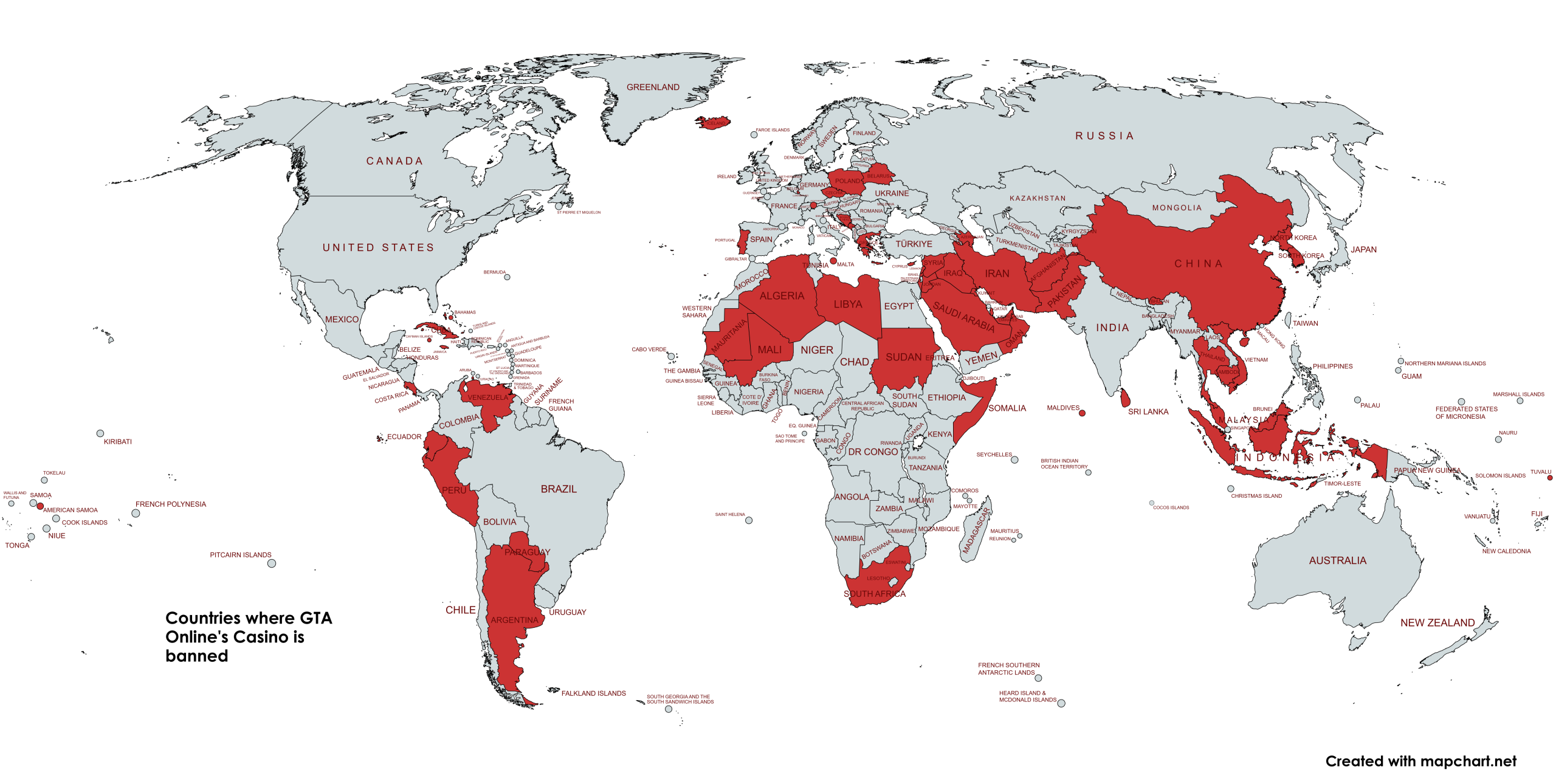
Let’s be honest, the world of gambling law is a tangled web. It’s not just one rulebook; it’s a patchwork quilt of local customs, historical hang-ups, and economic ambitions, all stitched together with varying degrees of success. If you’ve ever wondered why you can place a sports bet on your phone in one state but drive twenty miles and suddenly it’s a no-go, you’ve felt the friction of regional regulations.
Well, we’re going to untangle that web. This is a look at how different regions approach the dicey subject of gambling, and why a slew of new markets are suddenly rolling out the welcome mat. The stakes, you could say, have never been higher.
The Global Mosaic: How Regions Play the Game
Picture gambling regulations like climate zones. You have the arid deserts of prohibition, the temperate, regulated valleys, and everything in between. It’s shaped by culture, religion, and, increasingly, cold hard cash.
The Strict Controllers
Many Asian and Middle Eastern nations take a hardline stance, often rooted in religious doctrine. Here, the house never wins because the house isn’t allowed to open. But even within this, there are quirks. Japan, for instance, famously bans casino gambling but has a massive, culturally ingrained pachinko industry that operates in a legal gray area—a fascinating workaround. It’s a lesson in how public demand finds a way, like water carving a path through stone.
The Licensed Pragmatists
This is the model you see across much of Europe, Canada, and Australia. Gambling isn’t just tolerated; it’s managed, taxed, and woven into the social fabric. The UK’s Gambling Commission is a textbook example—a robust, if constantly evolving, framework aiming to balance a thriving industry with player protection. The key here is control. The state acts as the ultimate croupier, ensuring the game runs fairly (and that it gets its cut).
The American Experiment: State-by-State Scramble
Ah, the USA. A perfect case study in fractured regulation. After the federal ban on sports betting was overturned in 2018, it was like dropping a starting flag. What we got was a 50-state race to legalize. Some, like New Jersey and Nevada, sprinted. Others are barely out of the blocks.
| State Approach | Key Characteristics | Example States |
| All-In Commercial | Competitive online & retail markets, high tax rates. | New Jersey, Pennsylvania |
| Tribal Dominance | Compacts with Native American tribes govern most gaming. | California, Washington |
| Restricted or Monopoly | Limited licenses, often state-run lotteries only for online play. | New Hampshire, Oregon |
This state-by-state patchwork creates a nightmare for operators but, honestly, a fascinating lab for what works and what doesn’t in online gambling regulation.
Green Shoots: Why New Markets Are Blooming
So why the sudden shift? Why are places like Brazil, parts of Africa, and more US states jumping in? It’s not just about letting people play blackjack. The drivers are multifaceted, and powerful.
- The Tax Revenue Magnet: This is the big one. Post-pandemic budget holes need filling. Legal gambling markets represent a gusher of potential tax income that governments are finding harder and harder to ignore. It’s seen as a “voluntary tax.”
- Consumer Demand & the Black Hole Problem: People gamble. Always have. Prohibition doesn’t stop it; it just pushes it underground into unregulated, unsafe black markets. Legalization is a pragmatic pull into the light, offering player protections, age verification, and responsible gambling tools that simply don’t exist in the shadows.
- The Tech Tidal Wave: Mobile penetration is global. Secure digital payment systems are everywhere. This infrastructure makes regulating and delivering online gambling products easier than ever before. The barrier to entry for a well-regulated market has been lowered.
- Economic Development Play Think casinos as anchors for tourism, job creation in hospitality and tech, and a draw for ancillary businesses. It’s a full-spectrum economic argument.
Navigating the New Frontier: Challenges & Considerations
It’s not all smooth sailing, though. Opening a new legal market is like conducting a complex orchestra where every section has its own tempo. Getting the harmony right is crucial.
First, there’s the regulatory framework design. Set taxes too high, and you push operators back to the gray market. Too low, and you leave public money on the table. Licensing needs to be rigorous but not impossibly slow. You have to build a regulatory body from scratch, often—that takes expertise and time.
Then, the social piece. Any responsible market launch now has to bake in player protection measures from day one. We’re talking deposit limits, self-exclusion tools, and strict advertising codes. The era of “wild west” gambling launches is, thankfully, fading. The public and politicians demand a safety net.
And let’s not forget the existing illegal operators. A successful legal market must offer a product that’s better—safer, more fun, more trustworthy—than the illicit alternative. That’s the real competition.
The Future: Convergence or Continued Chaos?
Where does this all head? Will we see a global standard? Probably not. The regional differences are too deeply etched. But we are likely seeing a slow, steady convergence on best practices.
Emerging markets are learning from the mistakes of early adopters. There’s a sharper focus on responsible gambling initiatives and using data to identify at-risk behavior early. Technology like geolocation and age verification is becoming more sophisticated, making compliance smoother.
The trend is clear: the map of legal gambling is getting greener. But the real story isn’t just expansion; it’s maturation. It’s the move from a purely profit-driven model to one that acknowledges the weight of its social impact. The most successful new markets won’t just be the ones that generate the most revenue, but the ones that best manage the inherent tension between freedom and protection. That’s the high-wire act defining the next chapter. And honestly, it’s the only game in town worth watching.