

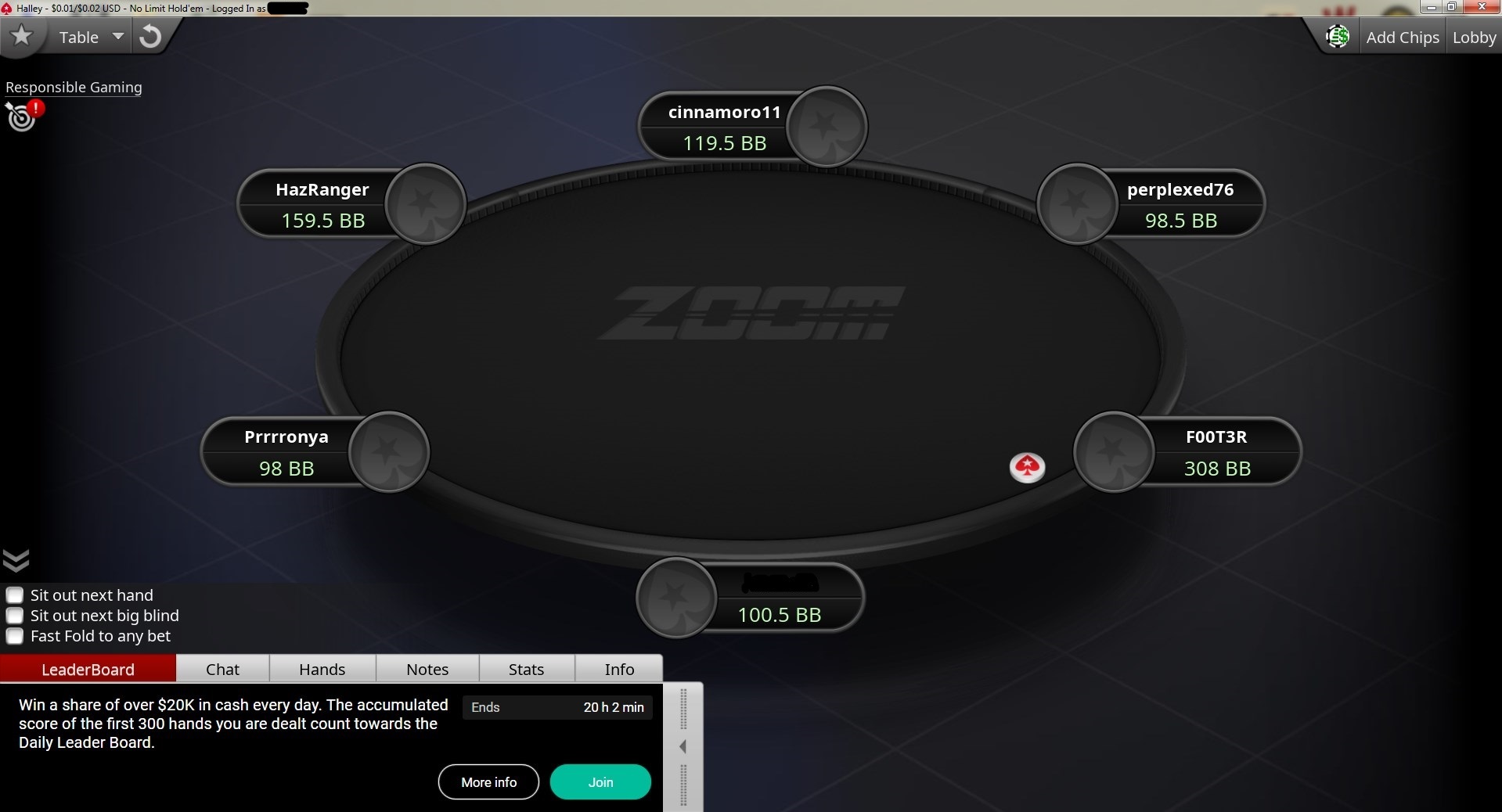
Let’s be honest. The poker landscape has shifted under our feet. You can’t just take the timeless wisdom from Doyle Brunson’s Super/System or David Sklansky’s Theory of Poker and drop it, unchanged, into the lightning-fast arena of Zoom or Fast-Fold poker. It’s like trying to use a detailed map of a mountain trail for a high-speed downhill bike race. The core principles are still true, sure, but the pace changes everything.
Here’s the deal: classic poker theory is your foundation. It teaches you about hand ranges, pot odds, and expected value. But in fast-fold games, where you’re instantly whisked to a new table and new opponents after every fold, the human element gets… blurry. You’re not playing against “Villain in Seat 3” for hours. You’re playing against a shifting, anonymous pool. So, how do you adapt? Let’s dive in.
The Core Shift: From Player Reads to Population Tendencies
In a classic cash game, you gather information. You see how Bob plays his flush draws. You note that Alice only three-bets with Aces or Kings. This is player-specific exploitation, and it’s powerful.
Fast-fold poker strips that away, at least initially. Your target isn’t the individual—it’s the player pool. Your strategy becomes about exploiting population tendencies. What do most players at your stake do in certain spots? Are they generally too tight? Too loose? Do they call down too much or fold too easily to aggression?
Think of it like this: you’re not tailoring a suit for one person. You’re manufacturing well-fitting jeans for a whole demographic. You need a solid, default strategy that profits against the most common leaks in the pool.
Key Adjustments to Your Game Theory Optimal (GTO) Foundation
GTO is all about balance—making yourself unexploitable. But in anonymous fast-fold games, perfect balance is often… overkill. Why? Because the population isn’t adjusting to you. They’re playing their own static, often flawed, strategy.
1. Tighten Up Preflop, But Aggressively
Classic theory might suggest opening a wide range from the button. In Zoom, you can actually tighten that up a notch. Why? Because you’re facing more cold calls from the blinds from players who just want to “see a flop.” You’ll get played back at less frequently by players you haven’t “annoyed” over time. This means your premium hands and strong steals get more respect. But—and this is crucial—when you do enter a pot, be more aggressive. 3-bet more for value and as a bluff against late-position opens. The population tends to fold a lot to preflop aggression.
2. Simplify Your Postflop Betting
Complex, multi-street bluffing strategies against a specific thinker? Not so effective here. You need a more straightforward approach.
- Bet larger for value on dry boards. If you have top pair on a T-5-2 rainbow board, go ahead and size up. The pool calls too wide with weak pairs and backdoor draws.
- Use a tighter, more polarizing bluffing range. Bluff with hands that have clear equity, like flush draws or open-ended straights, rather than pure air. Your bluffs get through more often, so make them count.
- Barrel less against calling stations. If you’ve identified the pool as “call-happy” (a common low-stakes trait), firing a second or third barrel as a bluff is burning money. Switch gears: value bet thinner and shut down your bluffs earlier.
Exploiting the Psychological Quirks of Fast-Fold
This is where it gets interesting. The very format of the game creates predictable player behavior. You can—and must—exploit these meta-tendencies.
| Common Fast-Fold Tendency | How to Exploit It |
| “Frustration Folding”: Players fold too much after a run of bad hands. | Increase your steal attempts from late position. Their patience is thin. |
| “Call-to-Break-Monotony”: The game feels robotic, so they call just to see action. | Value bet your medium-strength hands more aggressively. They’ll call you down light. |
| Over-Adjustment to Aggression: Some players see aggression and assume only the nuts. | In spots where you rep a strong range (like a 3-bet pot), your semi-bluffs become incredibly effective. |
Honestly, you see a lot of players on autopilot. They’re not adjusting their strategy based on the flow of a single table because, well, there is no flow. That’s your biggest edge. You become the one variable that’s actually thinking about the meta-game.
Bankroll and Mental Game Considerations
This part can’t be ignored. Classic bankroll management says 20-30 buy-ins for cash games. For fast-fold? I’d bump that up. The variance is different. You’re seeing more hands per hour, which is great for volume, but you’re also encountering more all-in situations preflop and more coolers in a shorter time frame. It can feel like a rollercoaster. 40-50 buy-ins provides a much-needed psychological cushion.
And mentally—you have to fight the urge to play on autopilot yourself. The “clickiness” of the format can lure you into making robotic, suboptimal decisions. Take micro-breaks. Stay engaged. Every hand is a new opportunity against a fresh set of opponents, even if they look anonymous.
Putting It All Together: A Fast-Fold Mindset
So, what’s the takeaway? Don’t throw out the classic books. Instead, use them as your bedrock of fundamental knowledge. Then, layer on these fast-fold adaptations.
Your mindset shifts from “How do I exploit this person?” to “How do I exploit the most common mistake made in this exact situation by hundreds of players just like this one?” It’s a broader, more statistical approach, but one that can be incredibly profitable when executed with discipline.
In the end, fast-fold poker is still poker. The player who can blend immutable theory with the unique, rapid-fire rhythms of the format—who can treat the anonymous pool not as a faceless mass but as a predictable entity with collective habits—that’s the player who builds a lasting edge. The game has sped up. Your thinking just has to become more efficient.