
Let’s be honest. The conversation around climate change has shifted. It’s no longer just about dire warnings and distant goals. It’s about action, investment, and frankly, a massive global wager. We’re all betting—governments, corporations, even individuals—on the outcomes of climate and sustainability initiatives. The stakes? Everything.
Here’s the deal: this isn’t a single roll of the dice. It’s a complex, multi-trillion-dollar portfolio of bets on technologies, policies, and human behavior. Some bets are safe. Others are long shots. And the outcomes will reshape our world, our wallets, and our way of life. Let’s dive into what this high-stakes table really looks like.
The Players at the Table: Who’s Placing the Bets?
Think of it like a crowded casino floor, but with better intentions. Each player has different chips and a different strategy.
- Governments & Public Bodies: They’re betting with policy and public money. Subsidies for electric vehicles, tax credits for green hydrogen, or penalties for carbon emissions—these are all strategic bets designed to tilt the entire market.
- Corporate Giants & Investors: This is where the capital flows. Venture capital is pouring into carbon capture startups. Asset managers are creating ESG (Environmental, Social, and Governance) funds. Companies are betting their supply chains on renewable energy to future-proof their operations and, sure, their brand image.
- Individuals & Communities: You and me. Installing solar panels, choosing an EV, supporting sustainable brands—these are micro-bets. They add up. They signal demand. They’re a bet on personal savings and a livable future.
The Main Betting Markets: Where the Action Is
So, what exactly are we betting on? The markets—the areas of focus—are everywhere, but a few are drawing the most intense action right now.
The Energy Transition Long Game
This is the big one. The bet that we can replace fossil fuels with renewables, nuclear, and other clean sources. It’s not just about solar panels and wind turbines anymore, though. The smart money is now looking at the grid modernization and energy storage puzzle. Betting on a breakthrough in battery tech or a scalable green hydrogen economy is like buying a lottery ticket that could power the world.
Carbon: The Commodity No One Wants
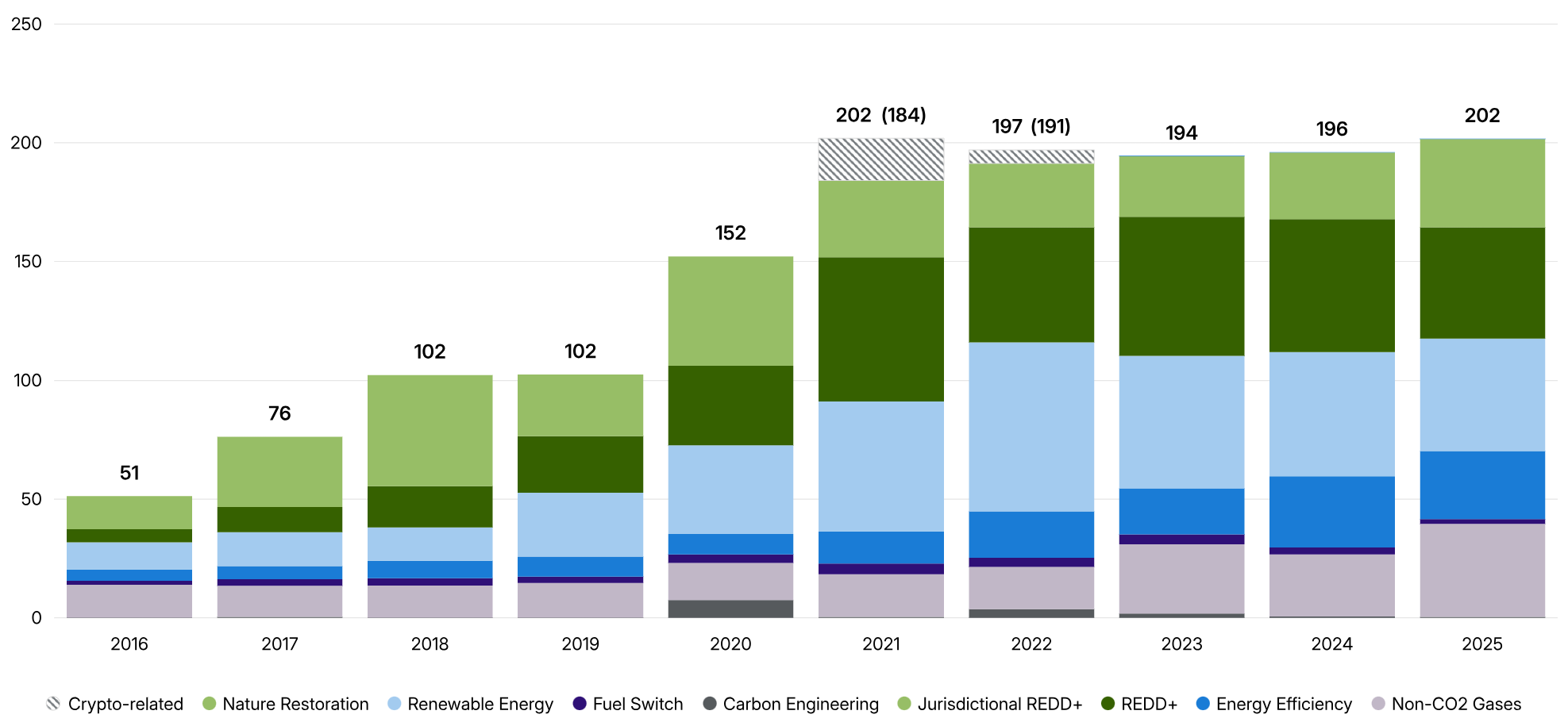
We’ve created a market for the right to pollute. Carbon credits and offsets are a multi-billion-dollar bet that we can price, track, and reduce emissions through market forces. It’s a controversial wager. Will it drive real reduction or just become a sophisticated accounting trick? That’s the multi-billion-dollar question.
Circular Economy & Sustainable Supply Chains
This is a bet on efficiency and redesign. Can we build an economy that eliminates waste? Companies are betting big on recycled materials, product-as-a-service models, and tracing a shirt’s cotton from field to closet. The pain point is huge—resource scarcity and consumer pressure—making this bet feel less like a gamble and more like a necessary survival tactic.
| Betting Area | Sample “Bet” | Potential Payout |
| Tech Innovation | Investing in Direct Air Capture tech | Solving legacy emissions, new industry |
| Policy & Regulation | Lobbying for a carbon border tax | Competitive advantage, cleaner industry |
| Consumer Shift | Launching a plant-based product line | Market share, brand loyalty |
The Odds Are Never Certain: Inherent Risks in Climate Betting
This isn’t a sure thing. Far from it. The landscape is riddled with risks that make any bet uncertain.
- Policy Whiplash: A new administration can change the rules overnight. Subsidies vanish. Regulations loosen. It’s a rollercoaster for long-term investments.
- Technology Hype Cycles: Remember the hype around certain biofuels? Some technologies fizzle. Others take decades longer to scale than the optimistic headlines suggest. It’s hard to separate the signal from the noise.
- The “Greenwashing” Trap: Some bets are just for show. They’re marketing spends disguised as sustainability initiatives. When those get called out, it erodes trust for everyone. It’s a risk to the entire… well, the entire betting ecosystem.
- Physical Climate Risk: The cruel irony? The very thing we’re trying to mitigate can disrupt our mitigation efforts. A hurricane can wipe out a new solar farm. Droughts can impact hydropower. You have to bet on the solution while the problem is actively changing the game board.
So, How Do You Place a Smart Bet?
For businesses and investors looking at sustainable investment opportunities, it’s about more than good intentions. It’s about due diligence. Here’s a quick list—a mental checklist, you know?
- Look for Tangible Metrics: Don’t just listen to promises. Look for hard data on emissions reduced, waste diverted, or energy saved. Measurability is key.
- Assess Regulatory Tailwinds: Is the policy momentum behind this initiative? A bet aligned with a clear, long-term policy direction has better odds.
- Diversify: Don’t put all your chips on one miracle tech. Spread bets across adaptation and mitigation, across different sectors.
- Think Resilience: The best bet might be on initiatives that solve for climate and make economic sense regardless—like energy efficiency. It saves money and carbon. That’s a hedge.
Honestly, the most profound bet isn’t made with money. It’s made with attention and voice. Supporting companies and leaders who are making genuine, transparent efforts creates a feedback loop that de-risks the financial bets. It’s a form of social hedging.
The Final Tally Isn’t Just Financial
We often frame this in terms of markets and returns. But the ultimate outcome of these climate and sustainability bets isn’t measured just in dollars or percentage points. It’s measured in stable coastlines, breathable air, and a livable planet for generations that, frankly, didn’t ask to be part of this high-stakes game.
The chips are on the table. The wheel is spinning. We’re all players now, whether we consciously placed a bet or not. The question that lingers isn’t about who will win or lose in the traditional sense. It’s about what kind of world we’ll have when the final cards are turned over. And that—that’s a thought worth sitting with for a while.