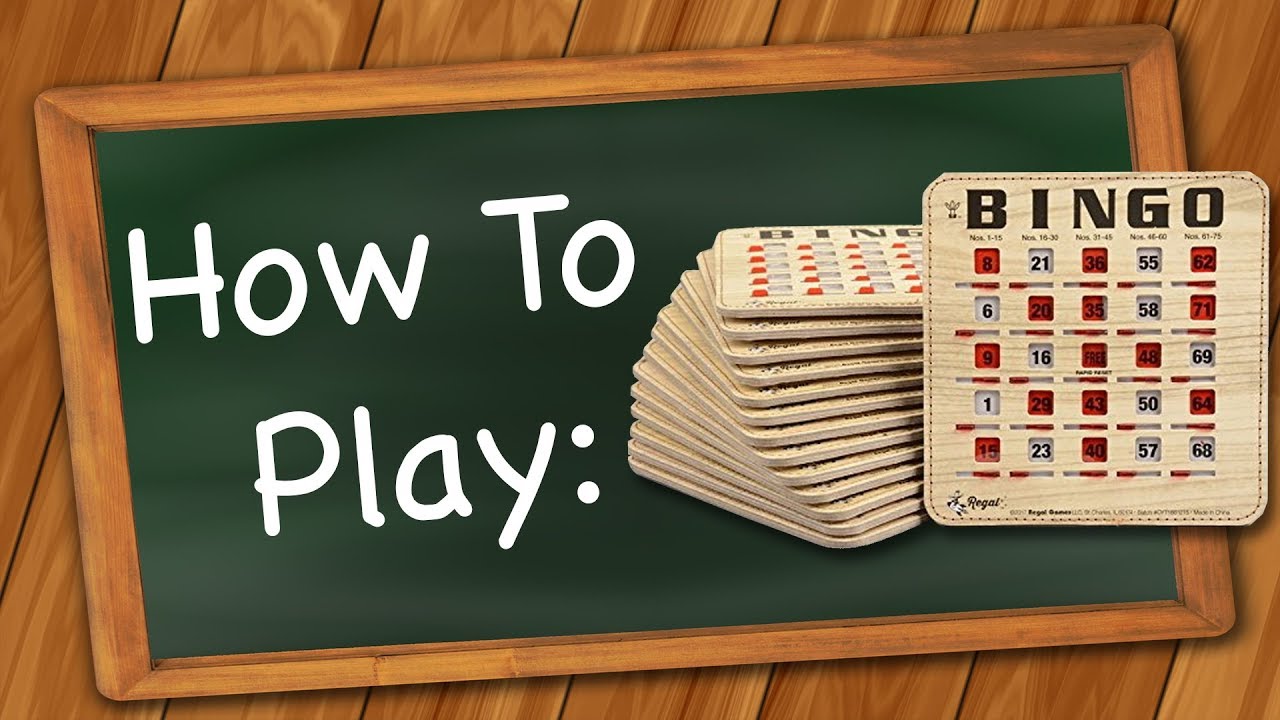


Let’s be honest. When you think of bingo, “eco-warrior” probably isn’t the first image that pops into your head. It’s more about daubers, paper cards, and those little plastic chips, right? Well, here’s the deal: the classic game of chance is getting a modern, green makeover. And it’s about time.
From church halls to online platforms, bingo’s footprint is real. All that single-use paper and plastic adds up. But what if you could host or play a game that’s just as fun, just as social, but kinder to the planet? That’s the goal of sustainable bingo. It’s not about sacrificing the joy—it’s about enhancing it with a clear conscience.
Why Go Green with Your Bingo Night?
It’s a fair question. Bingo is a tradition. Why mess with it? Well, think of it like swapping out disposable plates for your favorite ceramic ones at a dinner party. The meal tastes better, feels more substantial, and you’re not left with a bag of trash. Sustainable bingo events operate on a similar principle.
Communities and organizations are increasingly aware of their environmental impact. Players, too, are seeking activities that align with their values. A green bingo event can actually become a unique selling point—a way to attract a broader, more conscious crowd. Plus, honestly, it often fosters a more engaged and thoughtful atmosphere. Everyone feels good about having fun responsibly.
Swapping Out the Standard Supplies
This is where the rubber meets the road. Or rather, where the eco-friendly dauber meets the recycled card. Let’s break down the key sustainable bingo supplies you can start using today.
1. The Cards: Beyond Pulp Paper
Traditional bingo cards are the definition of single-use. The shift here is twofold: material and reusability.
- Recycled & Seed Paper Cards: Opt for cards made from 100% post-consumer recycled paper. Even better? Seed paper cards. After the game, players can literally plant their card and grow wildflowers or herbs. Talk about a winning outcome!
- Reusable Dry-Erase Boards: Invest in sturdy, laminated boards or BPA-free plastic slates. Players use dry-erase markers. A quick wipe, and they’re ready for the next round, next week, next decade. The upfront cost is higher, but the waste reduction is massive.
- Digital Displays: For larger venues, consider central digital screens that display the cards. It’s a significant shift, but it eliminates physical waste entirely.
2. Daubers & Markers: Ditching the Plastic Bottle
Those iconic ink daubers are a bingo staple… and a landfill nightmare. The good news? Alternatives are blooming.
- Refillable Dauber Systems: Seek out daubers with durable, ergonomic bodies designed to be refilled with non-toxic, water-based ink. One body can last for years.
- Biodegradable Cornstarch Daubers: If single-use is unavoidable (for huge one-off events, say), choose daubers made from compostable cornstarch plastic and filled with eco-friendly ink.
- Dry-Erase Markers: If you’ve switched to reusable boards, pair them with low-odor, refillable dry-erase markers. Simple.
3. The Little Things: Chips, Food, and Decor
Sustainability is in the details. You know, the stuff you might not think about immediately.
- Bingo Chips: Forget plastic. Look for chips made from wood, bamboo, or even recycled cardboard. They’ve got a nice, tactile feel and can be used practically forever.
- Prize Sourcing: Choose prizes that are eco-friendly themselves—think local artisan goods, experiences (like a massage or class), plants, or items made from recycled materials. Avoid cheap, shipped-from-far-away plastic trinkets.
- Sustainable Snacks: Serve refreshments with minimal packaging. Offer finger foods on compostable plates, with drinks in recyclable cans or from a large dispenser. Ditch the individual plastic water bottles.
Blueprint for a Low-Waste Bingo Event
Okay, so you’ve got the greener supplies. How do you stitch it all together into a cohesive eco-friendly bingo night? It’s about mindset as much as materials.
| Area | Traditional Approach | Sustainable Swap |
| Invitations | Paper flyers | Email & social media event pages |
| Cards | Disposable paper | Reusable dry-erase boards |
| Marking | Single-use plastic daubers | Refillable daubers or markers |
| Waste Stream | One bin for everything | Clearly marked recycling, compost, & landfill stations |
| Prizes | Mass-produced goods | Local, experiential, or sustainable prizes |
| Ambiance | Plastic decor | LED lights, potted plants, natural decorations |
Communication is key. Briefly explain why you’re doing things differently at the start of the event. Most people will be intrigued and supportive. Encourage carpooling or cycling to the venue. And, you know, make the whole thing feel like a celebration of community—not a lecture on ethics. The fun is still the main attraction.
The Bigger Win: Community and Mindset
Ultimately, hosting a sustainable bingo event does more than just reduce trash. It sparks conversation. It shows that any activity, no matter how traditional, can adapt. It builds a sense of shared purpose among players—they’re part of a solution, however small it seems.
And for organizers, it often leads to cost savings over time (those reusable boards pay for themselves) and a stronger, more positive reputation in the community. It’s a classic win-win.
So, the next time you’re planning a game night, think beyond the call of the numbers. Think about the lifecycle of every dauber, every card, every prize. With a little creativity, the most satisfying “Bingo!” shout can be one that the planet echoes, too.