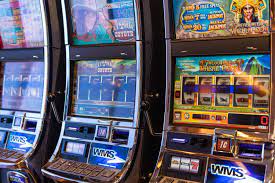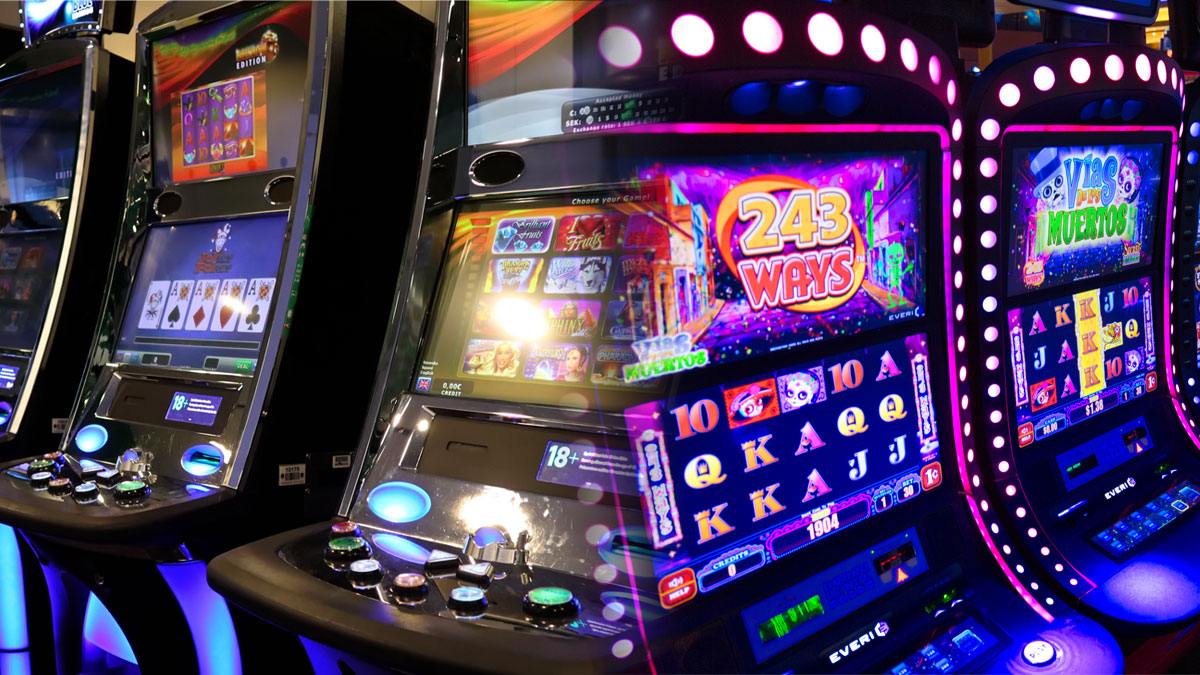

When you think about casino sustainability, what comes to mind? Paper straws, maybe. Or energy-efficient lighting. But what about the slot machines? Those towering, blinking rows of machines are the literal backbone of a casino floor. And honestly, their environmental footprint is… substantial. It’s a complex picture of energy, materials, and waste that’s often left spinning in the shadows.
The Power Drain: An Unseen Jackpot of Energy Use
Let’s dive in. A single modern slot machine, with its high-definition screen, speakers, and motherboard, can use between 150 to 300 watts of power. That might not sound like a ton. But here’s the deal: a mid-sized casino can have over 2,000 machines. And they’re never truly “off.” They run 24/7, 365 days a year, in a climate-controlled environment. You start doing the math, and the energy consumption is staggering—often rivaling that of a small town.
Multiply that by thousands of casinos globally, and the carbon footprint gets real, fast. The cooling systems needed to combat all that heat output? That’s another massive energy draw. It’s a self-perpetuating cycle of consumption that’s largely invisible to the player dropping in a coin.
Where the Watts Go: A Machine’s Appetite
| Component | Energy Draw & Notes |
| LCD/Video Display | The biggest culprit. Brighter, bigger screens = more power. |
| Main Computer Board | Constantly processing, even in “attract” mode. |
| Lighting & Signage | Marquee lights, button LEDs. All those flashes add up. |
| Bill Validator & Printer | Mechanical parts and sensors on standby, ready to engage. |
| Audio Systems | Speakers and sound processors for constant jingles and effects. |
The Material Problem: What’s Inside a Slot Machine?
Okay, so power is one thing. But the physicality of these machines is another. Think of a slot machine as a specialized computer housed in a tank. Its body is primarily steel and wood composites—fairly durable, sure. But the insides? That’s where it gets tricky.
We’re talking about:
- Circuit Boards & Chips: Loaded with precious metals (gold, silver) but also toxic heavy metals like lead and mercury.
- Wiring & Cabling: Miles of it, coated in PVC and other plastics.
- CRT Monitors (in older units): A nightmare for e-waste, containing leaded glass and phosphors.
- Plastic Displays & Buttons: Often not designed for easy separation and recycling.
The lifecycle of a slot machine is surprisingly short—often just 5 to 7 years before it’s considered obsolete. That’s driven by game popularity and technological advances. So, what happens to the old ones? That’s the million-dollar question for casino sustainability efforts.
End of the Line: The E-Waste Dilemma
You know, this is the real gut-check. Thousands of machines are decommissioned every year. And they are notoriously difficult to recycle. They’re a hybrid of materials fused together, and manufacturers haven’t historically prioritized design for disassembly. It’s a pain point the industry is only recently confronting head-on.
Too often, machines end up in a few unsustainable paths:
- Landfill: The worst outcome. Toxins can leach, and valuable materials are lost forever.
- Crushing & Shredding: Sometimes done to protect proprietary software, it makes material recovery even harder.
- Secondary Markets: Sold to smaller venues or overseas, which just delays the inevitable disposal problem.
Shifting Gears: Industry Moves Toward Green Gaming
It’s not all doom and gloom, honestly. There’s a growing push for sustainable slot machine design and better end-of-life management. Some manufacturers are now using more modular components, making repairs and upgrades easier. Energy-saving modes are becoming more sophisticated, truly putting machines into a low-power state during off-peak hours.
And on the recycling front, specialized e-waste firms are getting better at handling these complex devices. They can safely recover metals and properly dispose of hazards. A few forward-thinking casinos and manufacturers even have take-back programs, ensuring responsible recycling from the very start.
The Player’s Role and the Digital Future
So where do we, as players or observers, fit in? Awareness is the first step. The environmental cost of physical slot machines is a real part of the gaming ecosystem. Supporting casinos that prioritize green initiatives—like using Energy Star-rated equipment or publishing sustainability reports—can drive change.
And then there’s the elephant in the room: online gaming. It’s tempting to see digital slots as the purely “green” alternative. But that’s not quite right, either. Data centers have a massive energy footprint. The trade-off is complex. While online play eliminates the physical machine waste, it introduces a whole other set of environmental impacts tied to digital infrastructure.
Maybe the future is a blend. More efficient, longer-lasting physical machines paired with responsible recycling streams. And a broader industry commitment to reducing the carbon footprint of casino operations overall.
A Final Spin
The next time you walk through a casino floor, you might see it differently. Those glittering rows are feats of engineering, sure. But they’re also units of consumption, pieces in a giant puzzle of sustainability that the gaming world is still trying to solve. The real jackpot? It might just be hitting a balance where entertainment doesn’t cost the earth. Literally.