

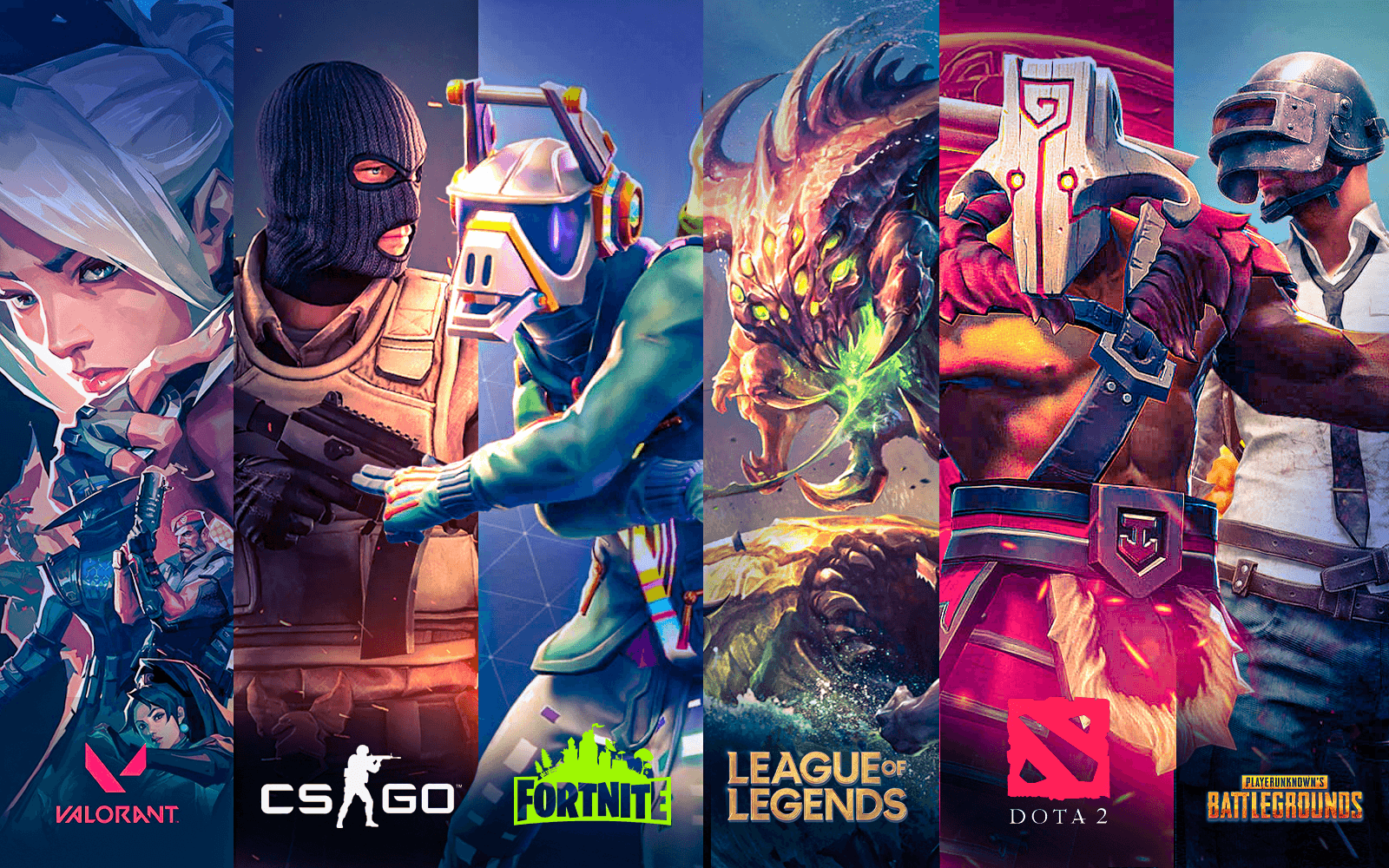
Let’s be honest—the world of esports betting is a rocket ship. Millions tune in to watch their favorite teams clash in League of Legends or Counter-Strike, and a huge chunk of those fans want a piece of the action. But here’s the deal: the traditional systems behind the scenes? They can feel a bit… clunky. That’s where blockchain technology swoops in, not just as a buzzword, but as a genuine game-changer. We’re talking about a fusion that’s redefining trust, transparency, and speed.
Why These Two Worlds Are Colliding (For the Better)
Think of esports as this digital-native phenomenon—born online, thriving on instant communication and global communities. Yet, when you place a bet, you’re often funneled through legacy financial gateways and opaque platforms. It creates friction. Blockchain, at its heart, is a digital-native solution. It’s a public ledger, immutable and decentralized. The synergy here isn’t just convenient; it’s almost inevitable. They speak the same language: code, speed, and global access.
The Core Perks: Transparency, Security, and Then Some
So what does blockchain actually do for the bettor? Well, picture this. You place a wager on a Dota 2 International match. With a blockchain-based platform, that bet is recorded on a public ledger. It can’t be altered or deleted. This creates an auditable trail for every transaction—a huge step toward eliminating disputes about odds or payouts.
Security gets a massive upgrade, too. Your funds and data aren’t sitting in a single, hackable corporate server. They’re protected by cryptography across a distributed network. And let’s not forget speed. Withdrawals, a notorious pain point in online betting, can transform from a days-long wait to a matter of minutes using cryptocurrencies.
Smart Contracts: The Automated Referee
This is where it gets really cool. A smart contract is basically a self-executing agreement with the terms written directly into code. In esports betting, imagine a contract that automatically pays out the moment a match outcome is verified by a trusted data source (an “oracle”). No more waiting for manual processing. No human error or, frankly, potential for manipulation.
The result? Near-instant gratification for winners and a level of provable fairness that’s hard to match. It acts like an automated, incorruptible referee for the financial side of the game.
Navigating the Current Landscape: Pros and Real Hurdles
Okay, so it sounds fantastic. And in many ways, it is. But this intersection is still being paved. Let’s break down the real state of play.
| Advantage | Challenge |
| Provable Fairness & Transparency | Volatility of Crypto Markets |
| Lower Fees & Faster Transactions | Regulatory Gray Areas Worldwide |
| Global Access & Inclusion | User Experience Can Be Daunting |
| True Ownership of In-Game Assets | Scalability During Peak Events |
The volatility issue is a big one. The value of your winnings can shift with the crypto winds. And regulation? It’s a patchwork quilt. Some regions embrace it, others ban it outright. This creates uncertainty for operators and users alike.
Then there’s the human factor. For the average esports fan, setting up a crypto wallet and understanding gas fees is a steeper learning curve than using a credit card. Platforms need to smooth this out—mass adoption depends on it.
Tokens, NFTs, and Fan Engagement Beyond the Bet
Blockchain’s influence stretches way past just placing a wager. We’re seeing the rise of platform-specific tokens that offer loyalty rewards or governance rights. And NFTs? They’re not just cartoon apes.
Imagine owning a verifiable, digital collectible of a legendary play, or an NFT that acts as a season pass for your favorite team. These assets can be tied into betting experiences—like earning a unique NFT for a perfect prediction. It deepens fan engagement, creating a whole new economy around the sport itself. You’re not just a spectator; you’re a stakeholder with skin in the game, literally.
What’s Next? The Road Ahead for Decentralized Betting
The trajectory is pretty clear. We’re moving toward more decentralized betting platforms—think peer-to-peer markets where users bet against each other directly, facilitated by smart contracts, with the platform taking a tiny fee. This could dramatically lower costs and increase market efficiency.
Furthermore, the integration of esports betting crypto solutions with actual in-game ecosystems is on the horizon. Verifiable item skins or character stats on a blockchain could be used directly in wagers. The line between playing, watching, and investing will keep blurring.
That said, the future isn’t just about tech. It’s about trust. For esports betting to mature and shed its wild west reputation, the transparency blockchain offers isn’t just a feature; it might become the minimum requirement. The generation that grew up with esports demands accountability. They can spot a marketing gimmick from a mile away.
So, the intersection we’re at? It’s more than a niche. It’s a fundamental rewrite of the rules of the game. It promises a system where the excitement of the bet is matched by the integrity of the process. And honestly, that’s a win for everyone—players, fans, and the entire ecosystem. The final score? We’re still watching it unfold, but the play-by-play is getting more interesting by the day.