

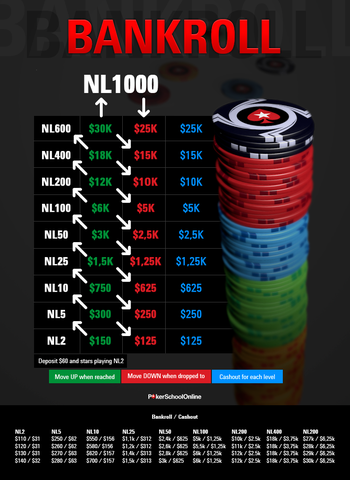
Let’s be honest — crypto gambling moves fast. Faster than you think. One minute you’re up 20%, the next you’re staring at a red screen wondering where your Ethereum went. That’s the nature of volatility, both in the coins and the games. But here’s the thing: you don’t need to be a math genius to survive. You just need a system. A bankroll management system, specifically built for the wild, unregulated world of cryptocurrency gambling. And yeah, it’s different from traditional gambling. Why? Because crypto itself swings like a pendulum. So let’s build something that actually works.
Why crypto gambling demands a different approach
Traditional bankroll management — the kind you read about for poker or blackjack — assumes your chips hold stable value. A dollar is a dollar. But Bitcoin? It can drop 10% while you’re placing a bet. That’s a double whammy. You lose the hand and the value of your stack. So your system needs to account for two layers of risk: game variance and crypto price swings.
I’ve seen people treat their crypto bankroll like a casino chip. They don’t. They treat it like a volatile asset. Because it is. So first rule? Separate your gambling funds from your “hold” portfolio. Don’t touch your long-term Bitcoin stash. Use a dedicated wallet — maybe even a hot wallet — with only what you’re willing to lose. That’s your bankroll. Period.
The 1% rule (but with a crypto twist)
You’ve heard this before: never risk more than 1% of your bankroll on a single bet. That’s solid advice. But in crypto, you need to adjust for volatility. Say your bankroll is 0.5 ETH. At current prices, that’s roughly $1,000. One percent is $10. But what if ETH drops 15% overnight? Your bankroll just shrank. So recalculate daily. Or even before every session. It’s annoying, sure, but it keeps you alive.
Here’s a quick table to visualize it:
| Bankroll (ETH) | ETH Price | USD Value | 1% Bet (USD) | 1% Bet (ETH) |
|---|---|---|---|---|
| 0.5 | $2,000 | $1,000 | $10 | 0.005 |
| 0.5 | $1,700 | $850 | $8.50 | 0.005 |
| 0.5 | $2,500 | $1,250 | $12.50 | 0.005 |
Notice the bet size in ETH stays the same, but the USD value changes. That’s your crypto twist. You’re betting in coin units, not fiat. So keep your unit size fixed in the coin, and let the market do its thing. Don’t chase losses by increasing your bet size when the price drops — that’s a recipe for disaster.
Setting up your bankroll tiers
Alright, let’s get practical. You need tiers. Not just one lump sum. Think of it like a pyramid — or maybe a ladder. Here’s a structure that’s worked for me and a few folks I’ve talked to:
- Base tier (60% of bankroll) — This is your fortress. You only touch this for low-risk bets. Think dice with 49% win chance, or blackjack with basic strategy. No all-ins. No “sure things.” This tier keeps you in the game.
- Growth tier (25%) — This is where you take calculated risks. Maybe a bit of sports betting with +200 odds, or a crypto crash game with a low multiplier. You’re willing to lose this chunk, but not your base.
- Speculative tier (15%) — This is your fun money. High variance slots, meme coin flips, or that weird provably fair game you found on Telegram. If you lose it, you shrug. If it hits, you celebrate.
Why three tiers? Because it mirrors how crypto traders manage their portfolios. You’ve got your blue chips, your alts, and your degen plays. Same logic. And honestly, it stops you from blowing your whole roll on a single stupid bet.
Tracking your sessions (yes, you need to do this)
I know, I know — tracking is boring. But it’s the only way to spot leaks. Use a simple spreadsheet or even a notes app. Record: date, game, bet size, outcome, and your mood. Seriously, mood matters. If you’re tilted, you’re more likely to chase. I’ve seen it happen a hundred times. You lose a few hands, start betting bigger, and suddenly your bankroll’s in the ICU.
Here’s a sample entry:
- Date: 2025-03-12
- Game: Crash (1.5x multiplier)
- Bet: 0.01 ETH
- Outcome: Loss
- Mood: Frustrated — took a break after
After a week, look for patterns. Are you losing more on certain days? After certain losses? That’s your signal to adjust. Maybe you need a stricter stop-loss. Or maybe you need to switch games. The data doesn’t lie.
Stop-losses and take-profits — in crypto terms
In traditional gambling, you set a loss limit and a win goal. Same here, but with a crypto flavor. Your stop-loss isn’t just about money — it’s about coin count. If you lose 20% of your bankroll in a session, walk away. No exceptions. And if you double your bankroll? Consider cashing out some profits into a stablecoin like USDC. That way, you lock in gains without the volatility risk.
I’ve got a friend who does this: every time his bankroll increases by 50%, he moves half the profit into a cold wallet. He calls it “harvesting.” Sounds agricultural, but it works. He’s been gambling for two years and hasn’t gone bust. That’s discipline, not luck.
Adjusting for game variance
Different games have different variance. A 50/50 dice game? Low variance — you’ll grind slowly. A slot with a 10,000x jackpot? High variance — you could go broke before hitting. So your bet sizes should reflect that. For high variance games, drop your bet size to 0.5% of bankroll. For low variance, you can push it to 2% if you’re feeling bold. But honestly, 1% is the sweet spot for most people.
And here’s a trick: use the Kelly Criterion. It’s a formula that tells you the optimal bet size based on your edge. But in crypto gambling, edges are razor-thin. So I’d recommend a fractional Kelly — bet half of what the formula says. It’s safer. Less chance of ruin.
Common pitfalls (and how to avoid them)
You’re gonna make mistakes. We all do. But let me save you some pain:
- Chasing losses with bigger bets — This is the #1 killer. You lose 0.1 ETH, so you bet 0.2 ETH to “win it back.” That’s not strategy; that’s desperation. Stick to your unit size.
- Ignoring transaction fees — Ethereum gas fees can eat your bankroll if you’re making lots of small bets. Consider using a platform with lower fees, or batch your bets.
- Not accounting for withdrawal limits — Some crypto casinos have daily withdrawal caps. If you hit a big win, you might not be able to cash out instantly. Plan ahead.
- Gambling while drunk or tired — Seriously. Your judgment goes out the window. Set a rule: no gambling after 11 PM, or after two drinks.
One more thing: don’t get cocky after a win streak. Variance is a bitch. She giveth, and she taketh away. The moment you think you’ve “figured it out,” the market humbles you.
Putting it all together — your weekly routine
Let’s build a simple weekly rhythm. Every Sunday, do this:
- Check your bankroll value in both coin and USD.
- Recalculate your 1% unit size.
- Review your session log from the past week.
- If you’re down more than 30% from your starting bankroll, take a break for a week. No exceptions.
- If you’re up, consider harvesting some profits into stablecoins.
That’s it. Five steps. Takes ten minutes. But it’ll save you months of regret. I’ve seen people ignore this and blow through their entire crypto portfolio in a single weekend. Don’t be that person.
A final thought on mindset
Bankroll management isn’t about being boring. It’s about staying in the game long enough to enjoy the ride. Crypto gambling is a marathon, not a sprint — even if the volatility makes it feel like a roller coaster. You want to be the person who can laugh off a bad beat because you know your system will carry you through. That’s freedom. That’s control.
So build your tiers. Track your sessions. Respect the volatility. And remember: the house always has an edge, but you can manage your own risk. That’s the real win.