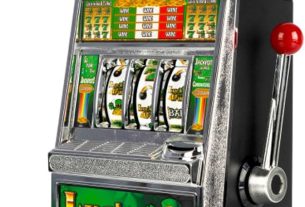

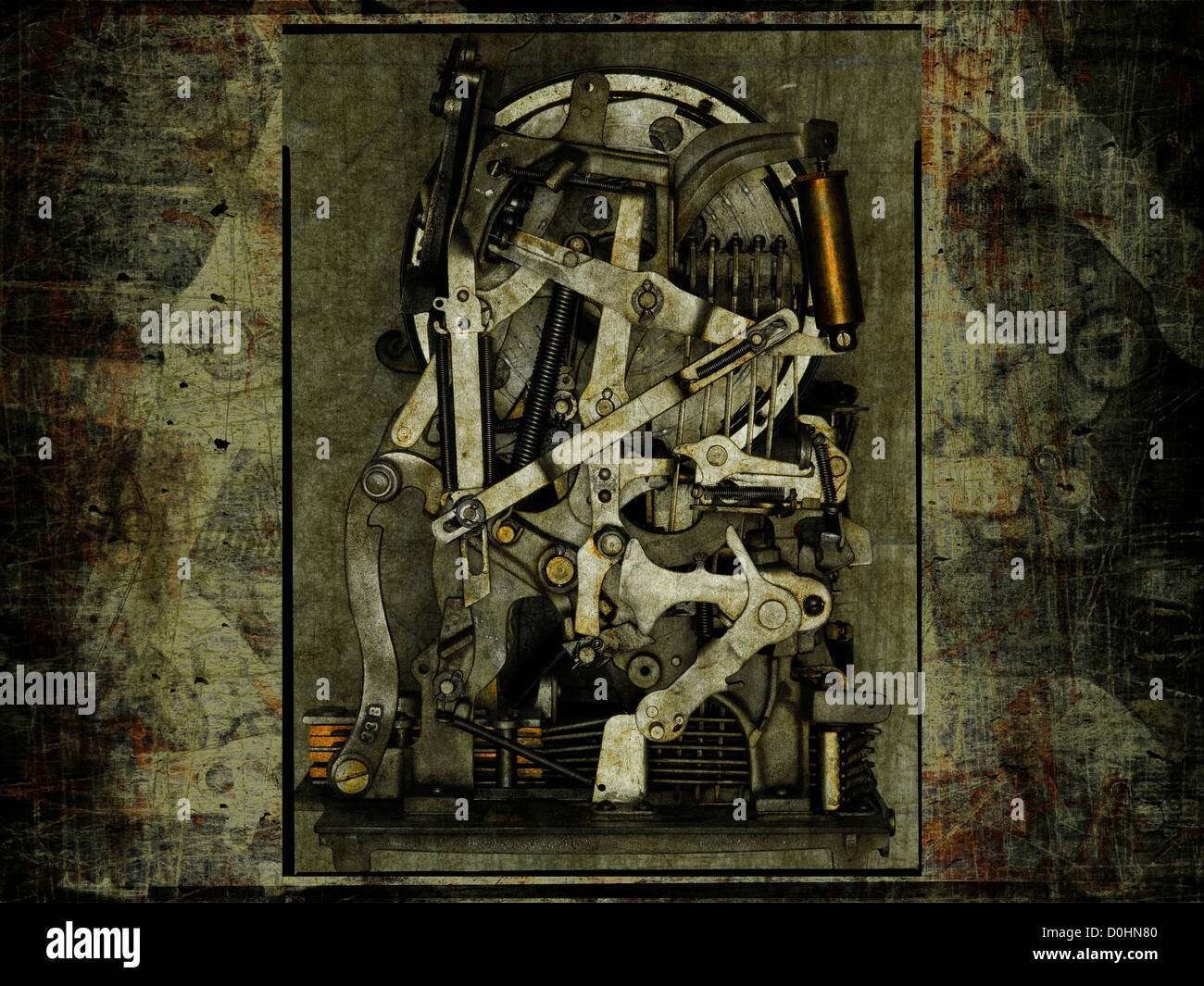
There’s something almost hypnotic about the clatter of a mechanical slot reel. That rhythmic, stuttering click as the symbols blur past—then the final, decisive thunk when the reels lock into place. For over a century, that sound meant one thing: hope, maybe a little money, and a whole lot of mechanical ingenuity. But here’s the thing—most players today have never touched a true mechanical slot. They’ve only known the digital versions, the ones with spinning graphics and random number generators humming quietly inside a computer chip. So, let’s rewind the reels, so to speak, and trace how these machines evolved from clunky cast-iron boxes into the sleek, digital behemoths of today. Honestly, the journey is wilder than a jackpot streak.
Before the Reels: The Pre-Slot Era
Well, you can’t talk about slots without mentioning poker. In the late 1800s, poker machines were all the rage in bars and saloons. But they weren’t automated—not really. They were basically just tables with mechanical card dispensers. You’d pull a lever, and five cards would flip up. If you hit a pair of jacks, you’d get a free drink or a cigar. No payouts, no reels, no spinning. Just pure, unadulterated gambling with a mechanical assist.
The problem? These machines were easy to cheat. And they required a bartender to verify every hand. So, the stage was set for a radical shift—someone needed to invent a machine that could think for itself, mechanically speaking.
The First True Mechanical Slot: The Liberty Bell
Enter Charles Fey, a German-American mechanic with a knack for tinkering. In 1895, he built the first genuine slot machine in his San Francisco workshop. He called it the Liberty Bell. And here’s the kicker—it only had three reels. Not five, not six. Just three, with a total of ten symbols painted on each reel: horseshoes, diamonds, spades, hearts, and that cracked Liberty Bell itself.
Fey’s genius wasn’t just the spinning reels. It was the automatic payout mechanism. When the reels aligned on a winning combo, the machine physically dispensed coins into a metal tray. No human verification needed. That was revolutionary. The mechanism was purely mechanical—springs, gears, levers, and a simple braking system that stopped each reel independently. The player pulled a lever, which set the reels in motion, and gravity did the rest as the reels spun down.
Honestly, the Liberty Bell’s design was so solid that it remained the blueprint for the next fifty years. Sure, there were tweaks—more symbols, different payouts—but the core mechanics? Unchanged.
The Rise of the Fruit Machines and the Bell-Fruit Era
By the early 1900s, slots had spread like wildfire. But there was a problem—gambling was illegal in many states. So, manufacturers got clever. They replaced the card symbols with fruit images—cherries, lemons, plums. Why? Because the payouts were often in the form of fruit-flavored gum. That’s right, you’d win a stick of gum, not cash. These were called “fruit machines,” and the term stuck, especially in the UK.
Mechanically, these machines introduced something new: the skill stop. Players could press a button to stop a reel early. It gave a false sense of control, but it also added complexity to the mechanism. The reels now had to have multiple braking points, and the timing had to be precise. If you pressed the button at the wrong millisecond, the reel would just skip past the jackpot symbol. Frustrating? Sure. But it made the machines feel more interactive.
The Electromechanical Leap: Money Honey (1963)
Here’s where things get interesting. For decades, slots were purely mechanical. But by the 1960s, the demand for bigger jackpots and faster payouts was outpacing what gears and springs could handle. The solution? Electromechanics.
In 1963, Bally Manufacturing released Money Honey. This machine looked like a classic slot—three reels, a pull lever—but inside, it was a hybrid. The reels were still mechanical, but the payout system was electronic. The machine could hold up to 500 coins and pay out automatically, no attendant required. That was a massive leap.
The lever was still there, but honestly, it was mostly for show. The real control was in the electrical circuitry. You’d pull the handle, and it would trigger a motor that spun the reels. But the stopping point? That was determined by a series of electrical pulses and solenoids. It was faster, more reliable, and allowed for more complex payout tables.
And here’s a quirky detail—the lever became known as the “one-armed bandit” because of its tendency to “rob” you. But in the electromechanical era, the arm was just a nostalgic nod to the past. The brains were in the wiring.
The Microprocessor Revolution: When Reels Became Digital
Now, this is the moment that changed everything. In the mid-1970s, microprocessors entered the scene. The first true video slot was released in 1976 by Fortune Coin Co., but it wasn’t a mechanical reel at all—it used a TV screen. But what about the mechanical machines? They didn’t disappear. Instead, they got a brain transplant.
Manufacturers realized they could keep the physical reels—the spinning, the clacking, the tactile feel—but replace the mechanical stopping mechanism with a random number generator (RNG). The RNG would run constantly, even when the machine wasn’t being played. When you pulled the lever, the RNG would pick a random number, and that number would correspond to a specific stopping position on each reel.
But here’s the dirty little secret of the industry: the RNG didn’t just pick a random symbol. It weighted the odds. The jackpot symbol might appear on one stop out of a thousand, but the machine’s internal software could make that stop virtually impossible to hit. That’s why you’d see the jackpot symbol land right above or below the payline—so close, yet so far. It was a psychological trick, and it worked.
The Virtual Reels and the “Near Miss” Effect
In the 1980s, a company called IGT (International Game Technology) took this further with the concept of virtual reels. The physical reels might have only 22 stops, but the virtual reel inside the software could have 256 stops. Each physical stop mapped to multiple virtual stops. This allowed for massive jackpots—progressive ones, even—without changing the physical machine.
The near-miss effect became a deliberate design choice. You’d see two sevens and a blank, and your brain would scream “so close!” But mechanically, the RNG had already decided the outcome before the reels even started spinning. The physical reels were just a fancy monitor for the digital result. That’s a hard pill to swallow for some players, but it’s the truth.
Modern Mechanical Slots: A Niche Revival
So, are mechanical reels dead? Not entirely. There’s been a niche revival, especially in high-end casinos and for players who crave nostalgia. Companies like Aristocrat and Novomatic still produce “stepper” slots—machines with physical reels but driven by modern stepper motors. These motors allow for precise, smooth stopping, and they can even simulate the old “clunk” sound for authenticity.
But here’s the twist—even these modern mechanical machines are still controlled by RNGs. The reels are just a visual representation. The only true mechanical slots left are antiques, and they’re mostly in museums or private collections. You can’t play them for money, but you can admire the engineering.
Let’s break down the key differences between the eras, just to make it crystal clear:
| Era | Mechanism | Payout Control | Player Experience |
|---|---|---|---|
| 1895-1960 | Pure mechanical (springs, gears) | Physical stops and levers | Slow, tactile, noisy |
| 1963-1975 | Electromechanical | Electrical pulses + solenoids | Faster, more reliable |
| 1976-Present | Microprocessor + RNG | Software algorithms | Instant, silent, weighted odds |
That table shows the stark reality—the mechanical era was short-lived, but its influence is permanent.
The Craftsmanship Behind the Gears
Let’s take a moment to appreciate the raw engineering of those early machines. Each reel was a metal hoop with a strip of symbols glued on. The stopping mechanism was a series of notches and a spring-loaded pawl. When the reel spun, the pawl would bounce along the notches, creating that iconic clicking sound. When the reel stopped, the pawl would catch a notch and hold it in place.
The payout system was even more intricate. A coin would drop into a chute, triggering a lever that released a certain number of coins from a hopper. It was all based on the position of the reels—if they aligned on a cherry, a specific cam would rotate, opening a gate for two coins. It was like a tiny, mechanical computer made of brass and steel.
And the odds? They were fixed by the physical number of stops. If a reel had 20 stops and only one was a jackpot, your odds were 1 in 20 for that reel. Simple, transparent, and brutally honest. No hidden algorithms, no weighted virtual stops. What you saw was what you got.
Why the Evolution Matters Today
You might be thinking, “Okay, but why should I care about old gears and springs?” Fair question. Here’s the deal—understanding the history helps you understand how modern slots are designed. The near-miss psychology, the illusion of control, the sensory feedback—all of that was perfected in the mechanical era and then ported over to digital. When you play an online slot today, you’re still feeling the ghost of that Liberty Bell.
Plus, there’s a growing movement of players who seek out vintage mechanical slots for home use. They’re not just gambling devices; they’re pieces of art. The chrome plating, the neon lights, the intricate backlit reels—they have a warmth that a flat-screen monitor can’t replicate.
Even in the age of VR and crypto casinos, there’s a market for “retro” slots that mimic the mechanical feel. Some online games even have a “pull the lever” animation,