
Slot games aren’t just about spinning reels and hitting jackpots anymore. They’re about culture, psychology, and… well, a little bit of magic. If you’re trying to crack a regional gambling market, you can’t just copy-paste your Las Vegas slot into Tokyo or Berlin. That’s a recipe for yawns—or worse, offense. Let’s talk about how to localize slot games the right way. Honestly, it’s part art, part science, and a whole lot of listening.
Why localization matters more than you think
Here’s the deal: players in different regions don’t just speak different languages—they feel differently about luck, money, and entertainment. A slot game that’s a hit in Macau might flop in Sweden. Why? Because the symbols, sounds, and even the speed of play tap into deep cultural wiring.
Think about it. In Japan, the number 4 is unlucky (it sounds like “death”). In the West, it’s 13. In China, red is lucky; in some Middle Eastern markets, green carries spiritual weight. Miss these cues, and you’re basically playing with fire. Localization isn’t just translation—it’s transcreation. You’re recreating the emotional experience for a new audience.
Key pillars of slot game localization
Alright, let’s break this down into bite-sized pieces. You’ll want to focus on these areas—and yeah, they overlap sometimes. That’s okay.
1. Visual and symbolic adaptation
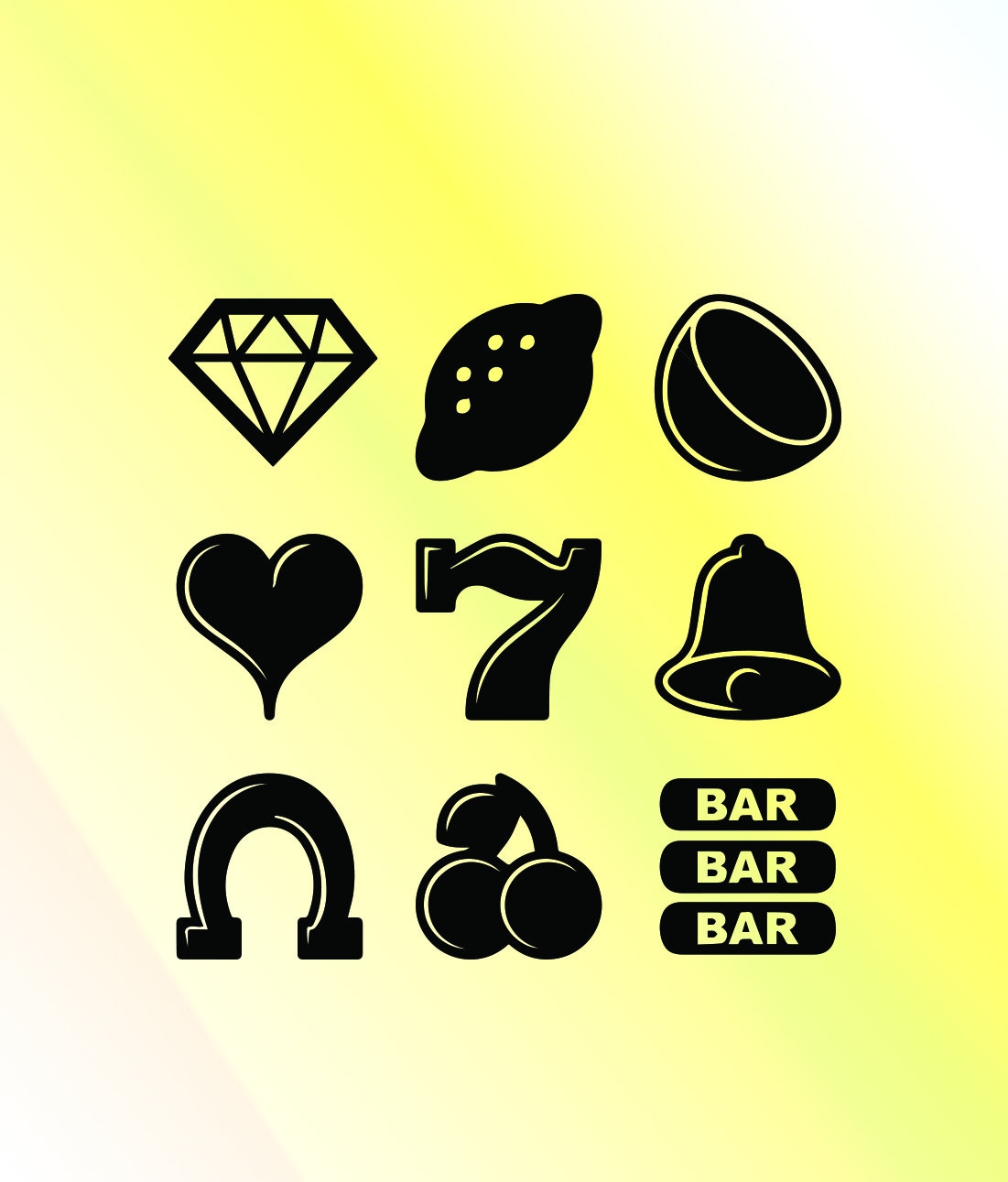
Symbols aren’t universal. A horseshoe might scream “good luck” in Ireland, but in parts of Asia, it’s… just a horseshoe. Meanwhile, the number 8 is pure gold in China. So when you’re designing slot reels, swap out generic fruits or bells for culturally resonant icons.
- Example: In Japan, replace the number 4 with a koi fish or cherry blossom.
- Example: In the Middle East, avoid pig or dog imagery (religious taboo).
- Example: In Latin America, use bright colors, mariachi symbols, or local folklore like La Llorona.
And don’t forget the background. A snowy mountain scene might feel cozy in Scandinavia but alien in Thailand. Localize the whole canvas, not just the reels.
2. Sound and music – the invisible hook
Sound is sneaky. It bypasses your brain and goes straight to your gut. A slot game with a fast, high-pitched jingle might energize a Brazilian player but annoy a German one. In fact, German players often prefer more subdued, rhythmic soundtracks—less chaos, more control.
Consider this: In some Asian markets, the sound of coins clinking is a massive dopamine trigger. In Nordic countries, nature sounds or minimalist beats work better. You can’t just swap the language voiceover and call it a day. Re-record or remix the audio for each region.
3. Game mechanics and volatility preferences
This one’s subtle but huge. Players in different markets have different risk appetites. In the UK, low-volatility games (lots of small wins) dominate. In Japan, pachinko-style high-volatility with near-miss thrills is the norm. In the US, it’s a mixed bag—but progressive jackpots are king.
| Region | Volatility Preference | Typical Win Frequency |
|---|---|---|
| UK | Low to Medium | Frequent small wins |
| Japan | High | Rare but big payouts |
| Brazil | Medium to High | Moderate frequency |
| Germany | Low | Steady, predictable |
So if you’re launching a slot in Germany, don’t make it a wild rollercoaster. Keep the RTP (return to player) steady—around 96% or higher. In Brazil, you can push the thrill factor a bit more. Know your audience’s gambling DNA.
Regulatory landmines – the boring but vital part
Look, I know regulations aren’t sexy. But they’ll kill your game faster than a bad theme. Every region has its own rules about max bets, bonus features, and even the size of jackpot symbols. In Sweden, for example, you can’t have auto-play features. In the Netherlands, loot-box-like mechanics are heavily scrutinized.
You need a local legal consultant—not just a translator. Because compliance is the foundation of trust. And trust? That’s the currency of gambling.
Payment methods and currency localization
This is where many operators trip up. You can’t expect a Japanese player to use PayPal or a German player to love Skrill. In Asia, it’s all about local e-wallets like Alipay, WeChat Pay, or PayPay. In Latin America, Pix (Brazil) and Mercado Pago dominate. In Europe, trustly and Sofort are big.
And currency? Sure, convert to local currency. But also consider displaying amounts in a culturally familiar way. For example, in Japan, people often think in terms of 100-yen units. In the UK, it’s £1 increments. Don’t make players do mental math—it kills the flow.
Storytelling that resonates locally
Slot games are mini-stories. A pirate theme works in the US and UK (thanks, Hollywood). But in the Philippines? Maybe a jeepney adventure or a myth about the aswang creature. In Greece, go with ancient gods—but make sure it’s respectful, not cheesy.
Here’s a trick: use local holidays or festivals. A Diwali-themed slot for India, a Carnival-themed one for Brazil, or a Lunar New Year slot for China. These create instant emotional connection. But timing matters—launch them a few weeks before the event, not after.
Testing, feedback, and iteration
You can’t just guess. Run focus groups—real players, real reactions. Watch their faces when a bonus round triggers. Do they smile? Do they lean in? Or do they look confused? That confusion is a red flag.
Also, A/B test everything. Try two versions of a slot—one with local symbols, one with generic—and see which gets longer play sessions. Data doesn’t lie. But remember: data without context is just noise. Talk to players, too.
A few real-world examples (names changed, but true stories)
I once worked with a studio that launched a pirate slot in Japan. It flopped. Why? Because Japanese folklore doesn’t have pirates—it has ninja and samurai. They rebranded it with a feudal Japan theme, swapped the parrot for a crane, and… boom. 40% more engagement.
Another case: a slot with a “lucky frog” symbol worked great in China (frog = wealth in some dialects) but bombed in Germany (frogs are just… amphibians). Small tweaks, massive impact.
Trends shaping the future of localized slots
AI is starting to help. Some companies use machine learning to analyze player behavior and auto-adjust themes or volatility in real-time. But that’s still early. For now, the human touch—cultural consultants, local playtesters, and a willingness to be wrong—is irreplaceable.
Also, mobile-first is non-negotiable. In Southeast Asia, most gambling happens on phones. In Germany, desktop still has a stronghold. Optimize for the device, not just the region.
Final thoughts – the art of belonging
Localization isn’t about tricking players into thinking a game was made for them. It’s about actually making it for them. That means respecting their symbols, their sounds, their superstitions, and their laws. It’s a lot of work—sure. But when a player in São Paulo or Seoul feels like the slot was built just for their world, they don’t just play. They stay.
And that’s the jackpot you’re really chasing.